
Layover Freedom: Turn Waiting Time into a Mini Adventure
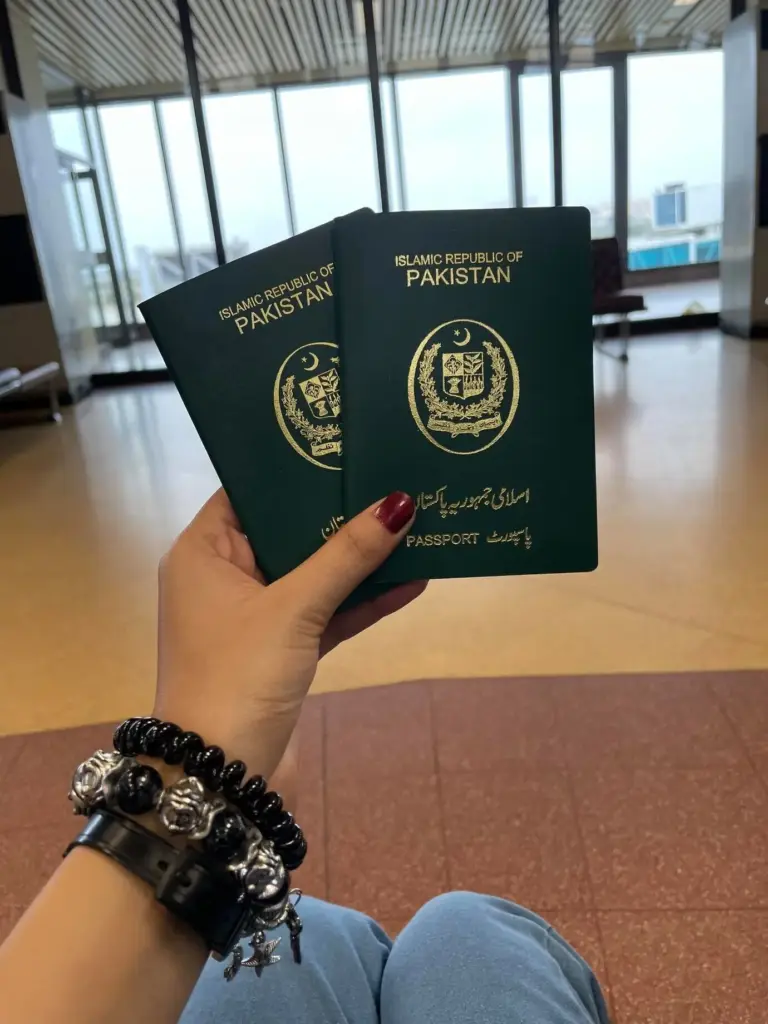
Make the most of a short stop by understanding transit visas, entry rules, and how to step outside for quick sightseeing between flights. This guide explains eligibility, timing, baggage realities, immigration formalities, and smart micro-itineraries, mixing practical steps with real traveler stories and simple checklists so you can explore confidently, re-clear security calmly, and be back at your gate with time to spare and a smile.

Calculate the real clock, not the ticket’s promise

Subtract the invisible minutes: taxi to gate, deplaning, restroom breaks, and the inevitable first-photo pause. Add potential immigration lines, transit to the city, return transit, security, and boarding. What remains is your true sightseeing window, a realistic slice of time that respects airline schedules and your stress levels without eliminating spontaneous discovery.

Respect boarding and security cutoffs

Airlines close boarding earlier than many travelers expect, and security lines fluctuate wildly around shift changes and banked flights. Work backward from the published boarding time, adding a generous margin for document checks and secondary screening. Treat this return deadline as sacred, and your layover excursion becomes delightfully calm instead of dangerously compressed.

Build a generous buffer for the unexpected

Weather, gate changes, temporary immigration surges, and rail delays happen even at impeccably organized airports. Buffer time is not wasted; it is freedom. A thoughtful cushion lets you linger on a viewpoint, enjoy a spontaneous pastry, or reroute calmly if a train platform changes, preserving both your adventure and your onward flight.

Documents That Open Doors
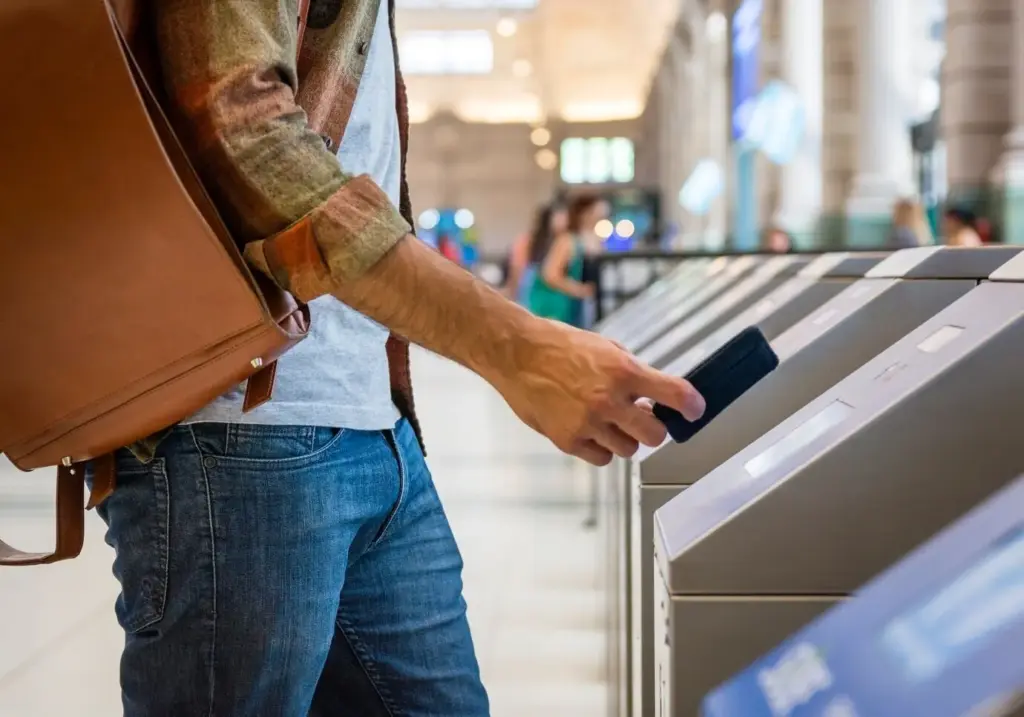
Entry chances improve dramatically when your documents match the rules for quick city visits during layovers. Understand the difference between remaining airside, going landside, and programs that allow transit without a visa. Prepare proof of onward travel, sufficient funds, and accommodation details, even for a short outing, to satisfy immigration officers and speed your return.

Country and Airport Nuances

Every hub writes its own playbook. Some welcome brief explorers with efficient rail links and generous rules; others keep transfers strictly airside or expect full visas even for short exits. Understand local practices, typical processing times, transport reliability, and nighttime options so your plan aligns with the realities of that specific airport and border.

Schengen stopovers: one entry, many borders behind it

Entering a Schengen country usually means entering the wider area, so checks occur at your first point of arrival. For brief excursions, factor in passport control and return security at the same airport. Rail links are often excellent, but schedules vary by city and hour, making timetables as critical as immigration wait estimates.

United States: transit means full entry processing

In the United States, even passengers merely connecting often clear full immigration and customs. Eligible travelers may use visa waiver authorization, while others need visas. Expect security re-screening after baggage handling and allow extra time. Border inspection can be thorough, so honest, concise answers and documented onward plans keep the process smoother.

Asia’s generous layover windows—and their fine print

Some Asian hubs advertise accommodating transit policies and quick city access via express trains. Yet rules hinge on nationality, route, and allowable hours, and may change with little notice. Verify your eligibility on official pages before you fly, note exact time limits, and confirm whether baggage or terminal switches affect your permitted movements.

Baggage, Tickets, and Terminals

Through-check versus reclaim-and-recheck realities

When your bags are tagged to the final destination, you often avoid landside baggage halls entirely. If not, you’ll need to enter the country, collect luggage, and recheck it, consuming precious time and triggering full entry rules. Ask your airline in advance, and document baggage agreements to prevent last-minute surprises.

Separate tickets raise the stakes

Non-protected connections mean missed flights become your cost, not the airline’s. If sightseeing tempts you, ensure the layover is long enough for immigration, transport, a relaxed visit, and contingency time. Consider travel insurance that covers missed connections, and keep airline and ground transport apps ready for rapid rebooking if needed.

Terminal transfers and airport changes

Some cities have multiple terminals spread over vast distances or even separate airports linked by traffic-prone roads. Transfers may require security re-entry or shuttle buses with limited frequency. Map every segment: exit point, transport pick-up, travel time, and re-entry checkpoint. A meticulously plotted route converts potential chaos into an efficient hop.

Designing a Micro‑Itinerary

A satisfying layover adventure favors depth over sprawl. Choose one neighborhood or one landmark with nearby bites and views. Use fast, frequent transport, and prebook timed entries when possible. Leave room for serendipity, but never at the cost of your return buffer and calm, predictable airport re-entry.

Risk, Insurance, and Health

A clear-eyed look at what can go wrong makes everything go right. Prepare for delays, denied entry, transport hiccups, and sudden weather. Choose insurance that recognizes separate tickets and missed connections. Protect your body with hydration, sleep-aware pacing, and light packing so your layover feels refreshing, not draining.

Community Wisdom and Your Next Step

Thousands of travelers turn layovers into bright, compact adventures every week. Learn from their triumphs and missteps, share your own route maps, and subscribe for timely rule updates. With fresh tips and a ready checklist, your next connection becomes a confident, memory-rich intermission instead of passive waiting.
Laxokixuxumukezakupo
Privacy Overview

This website uses cookies so that we can provide you with the best user experience possible. Cookie information is stored in your browser and performs functions such as recognising you when you return to our website and helping our team to understand which sections of the website you find most interesting and useful.